 シェアオフィス&コワーキングスペース CASE Shinjuku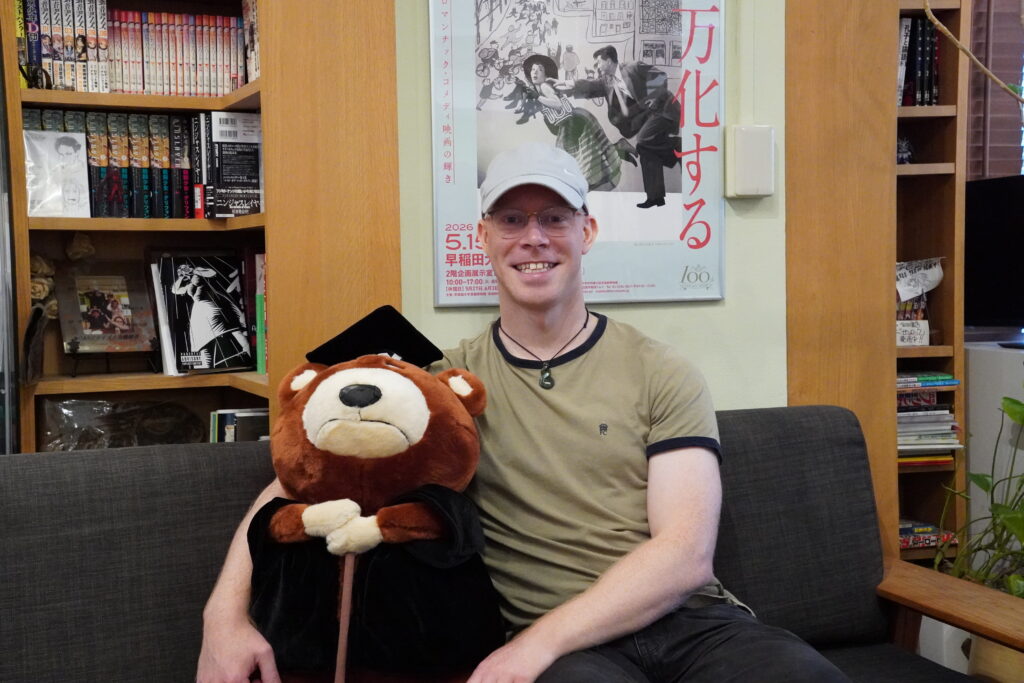
Mike Voets
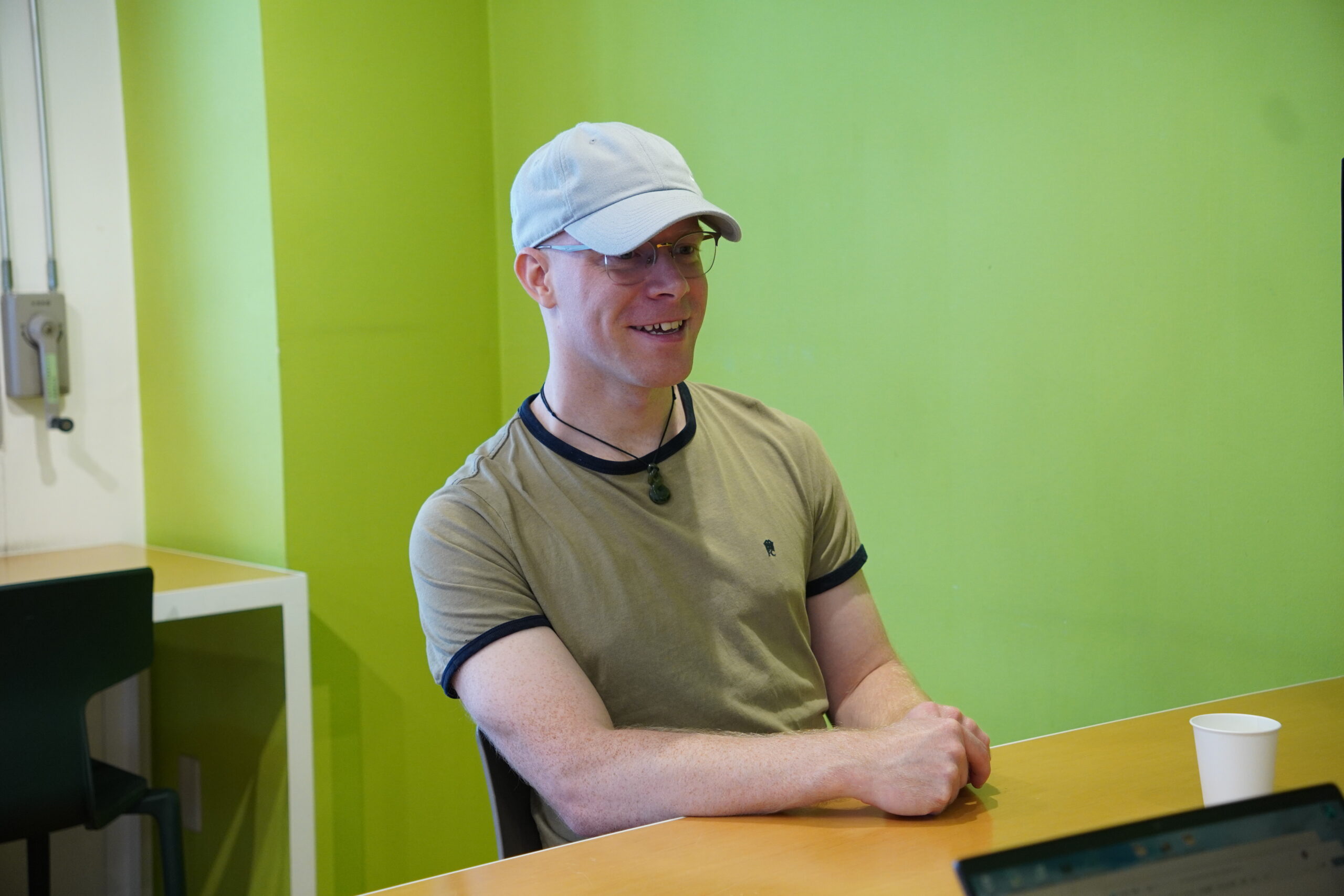
This time, we sat down with Mike, a software engineer from the Netherlands. Having studied at Waseda University 12 years ago, Mike returned to Japan this time with a Digital Nomad Visa, settling in the Takadanobaba area and working remotely from CASE Shinjuku. We asked him about his visa application experience, why he chose this coworking space, and life in Japan.
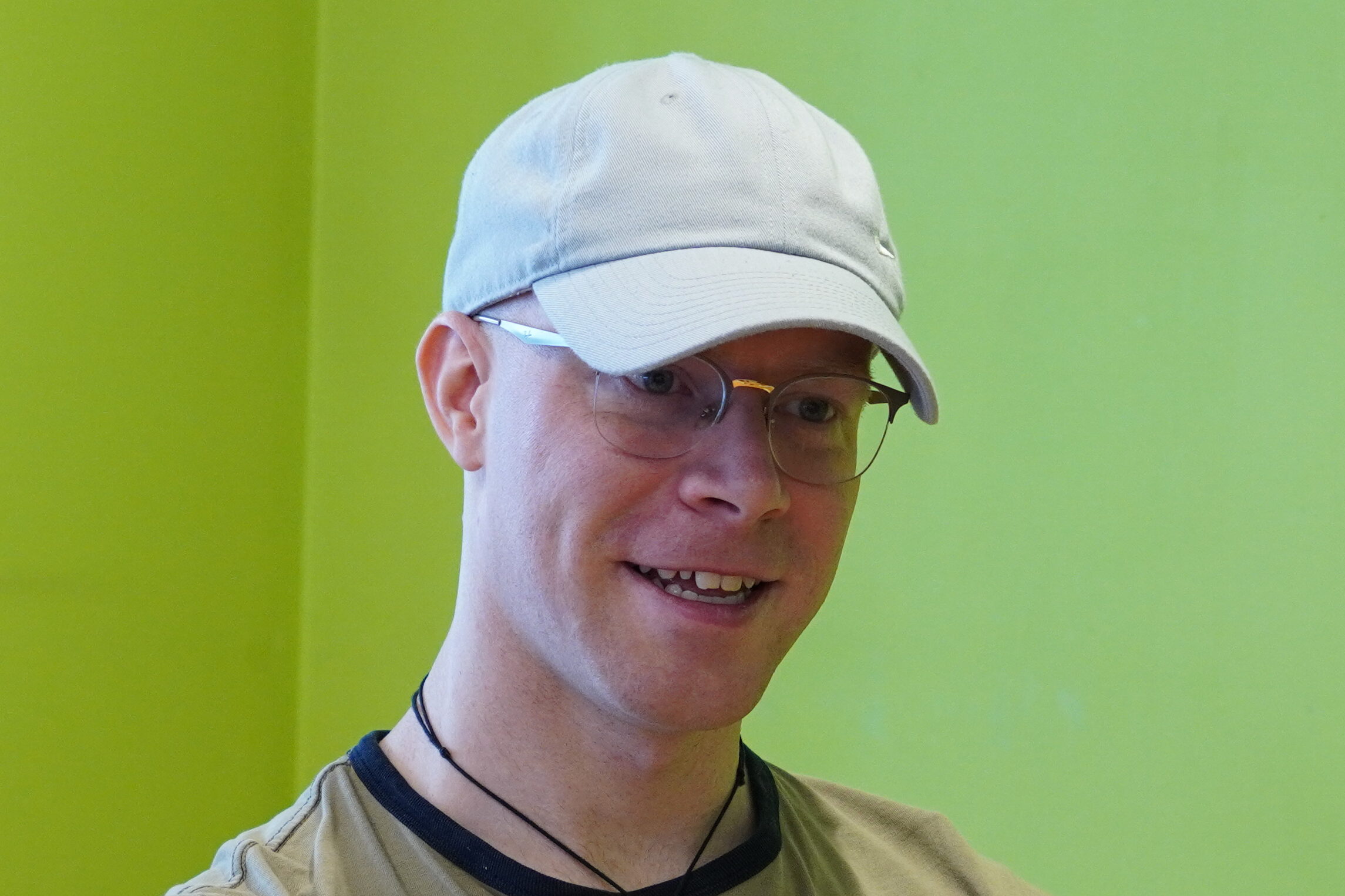
Could you tell us a bit about yourself?
I’m originally from the Netherlands, but I’ve lived in many different countries. After high school, I attended a folkehøgskole (a kind of gap-year boarding school) in Norway for a year, then studied there for six years. After traveling around the world for about two years, I lived in New Zealand for six years — and now I’m here in Japan.


Why Norway?
I’ve always loved nature, and the Netherlands is so flat — no mountains at all. I wanted to go somewhere with more nature, and I found out about a boarding school in Norway. It’s a school for people between high school and university — a relaxed, one-year experience. I enjoyed it so much that I decided to stay and study there.
Any memorable stories from the boarding school?
We often went hiking together — sometimes for three to five days, sleeping in tents. I always slept next to my teacher. One morning, the teacher said, ‘That’s the first time a student has ever hit me — until last night.’ Turns out I had been snoring, and when the teacher tried to wake me up, I apparently hit him in my sleep! I don’t remember any of it at all. (laughs)
You studied in Japan 12 years ago, right?
Yes, I studied at Waseda University’s SILS (School of International Liberal Studies) for one year in 2014. I saw Japan on a list of exchange destinations in Norway, and at the time, Japan wasn’t very popular there — so I was the only one who applied, and I got in automatically! It was my first time in Asia, and when I landed at Narita, I remember thinking it felt like a completely different planet.
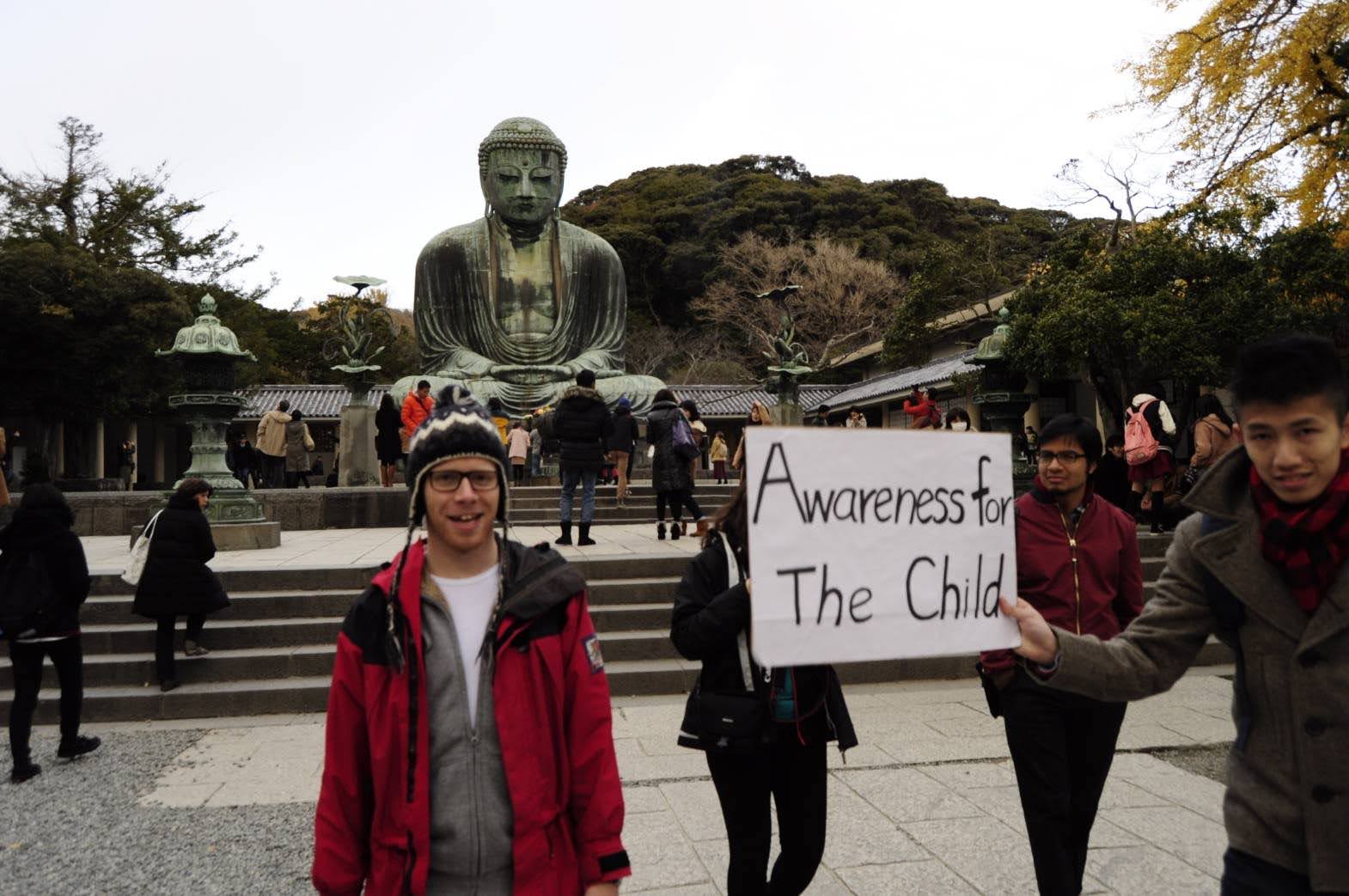
Coming back after 12 years — what has changed?
A lot of things around Takadanobaba and Waseda feel the same — some restaurants are still there! The biggest changes are how common cashless payments have become, and the huge increase in the number of foreigners. What I find fascinating is that foreign workers in convenience stores and restaurants all follow Japanese manners so carefully — saying ‘Irasshaimase’ and bowing. It’s really interesting to see.
Tell us about your Digital Nomad Visa experience
— Was the application process difficult?
For me, it was surprisingly easy. The Japanese Embassy in New Zealand happened to be just a five-minute walk from my home! The main requirements are: a sufficient salary, working for a non-Japanese company, and having private health insurance with at least 10 million yen in coverage. I also needed a letter from my employer confirming I could work remotely. After submitting everything, it only took about three weeks to get the visa approved.
— Were there any challenges?
At immigration, the officer looked at my visa and seemed very confused — understandably, since it only launched in 2024. They had to call a supervisor, who called another supervisor, and eventually I was taken to a special room. Nothing was wrong, but it was a bit nerve-wracking! I’d read online that many people struggled with the application, so I feel like I was pretty lucky.
— What do you think about the six-month limit?
Honestly, it’s quite short. Some countries offer digital nomad visas for up to five years. You also can’t reapply immediately — you have to leave Japan for at least six months first. I hope the Japanese government considers extending it in the future.
How was finding a place to live?
That was the most challenging part. I knew I wanted Tokyo, but had no idea which area. Finding an English-speaking property agency made a huge difference. Good apartments disappear in a day, so you have to act fast. I found a place that lets you stay for a minimum of two months and cancel monthly after that — perfect for the six-month visa. The apartment I got ticked all the boxes: nice-looking, good location near Shinjuku, and within budget. I was very lucky!
Why did you choose CASE Shinjuku?
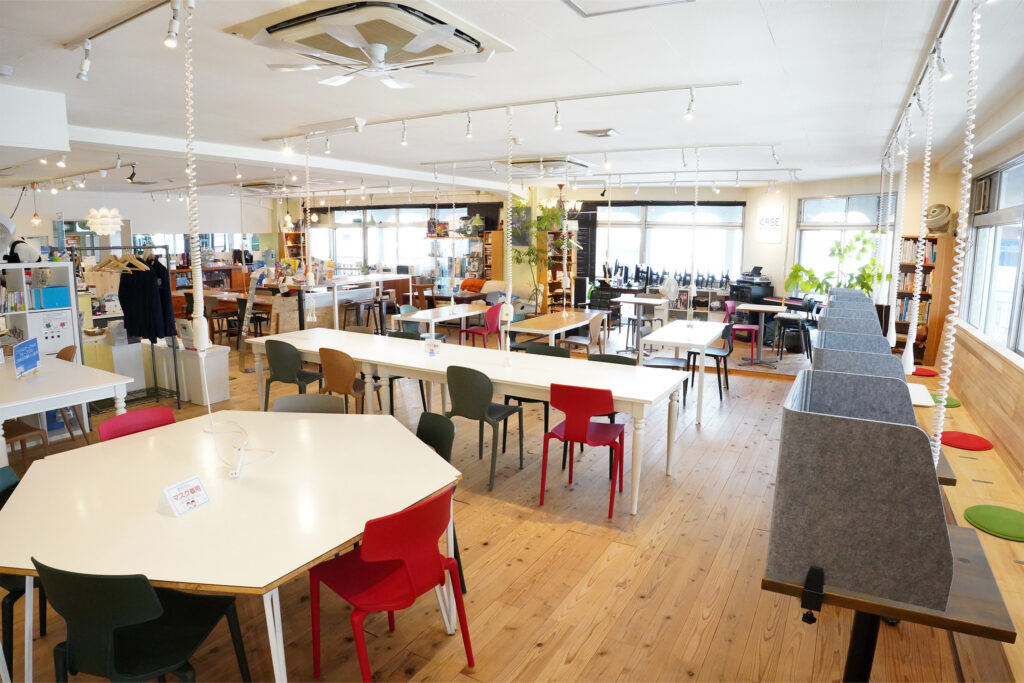
I found a personal blog through Google that listed several coworking spaces in Tokyo with a map. Based on that list, I visited three places in person during my first few days in Tokyo: Roppongi, Nishi-Shinjuku, and here. My priorities were: price, atmosphere (not too corporate), 24-hour access, and good desks. The other two felt very formal and their email responses seemed a bit cold. CASE was the most affordable and by far the warmest in atmosphere. It was an easy decision.
How has your experience at CASE been?
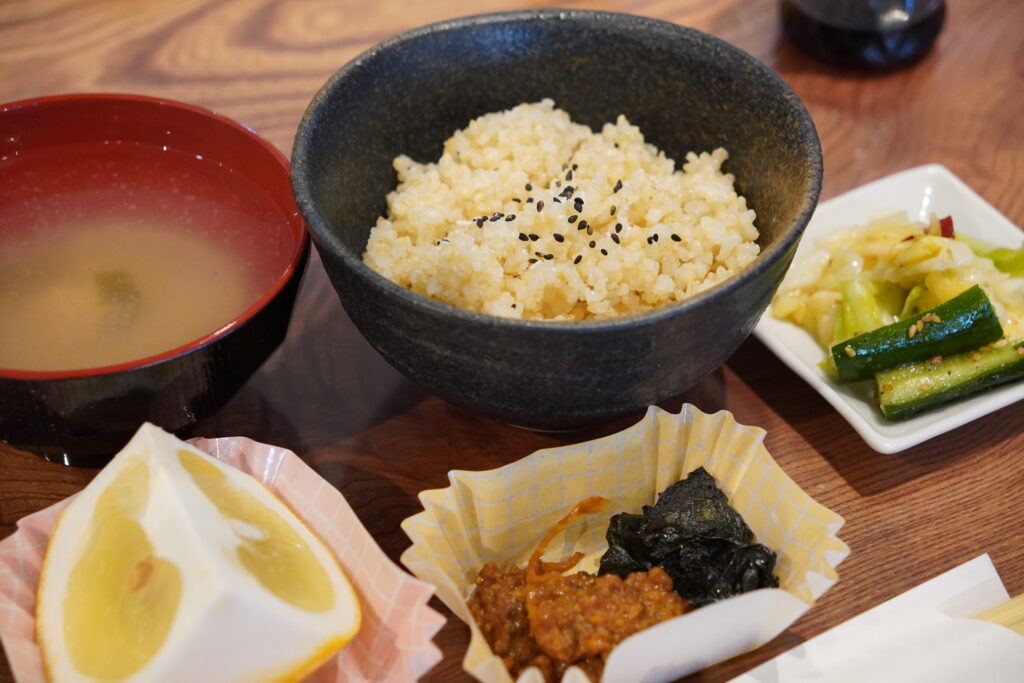
I love it! The shared lunch events are one of my favorite things — I join every time. Once I tried buntan (Japanese pomelo) for the first time and had no idea how to peel it. (laughs)
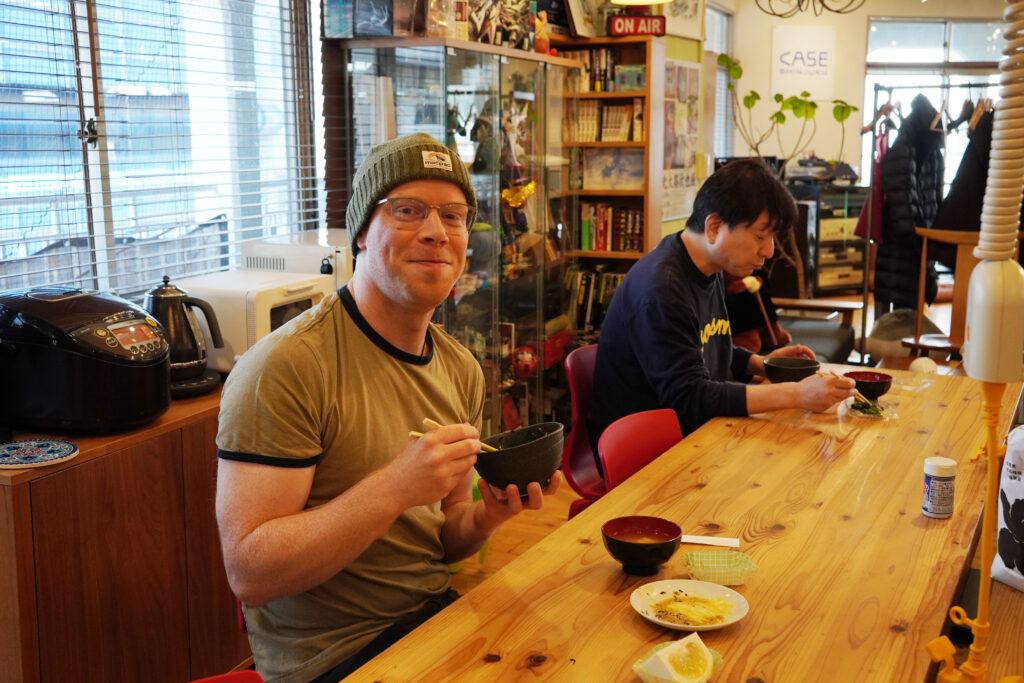
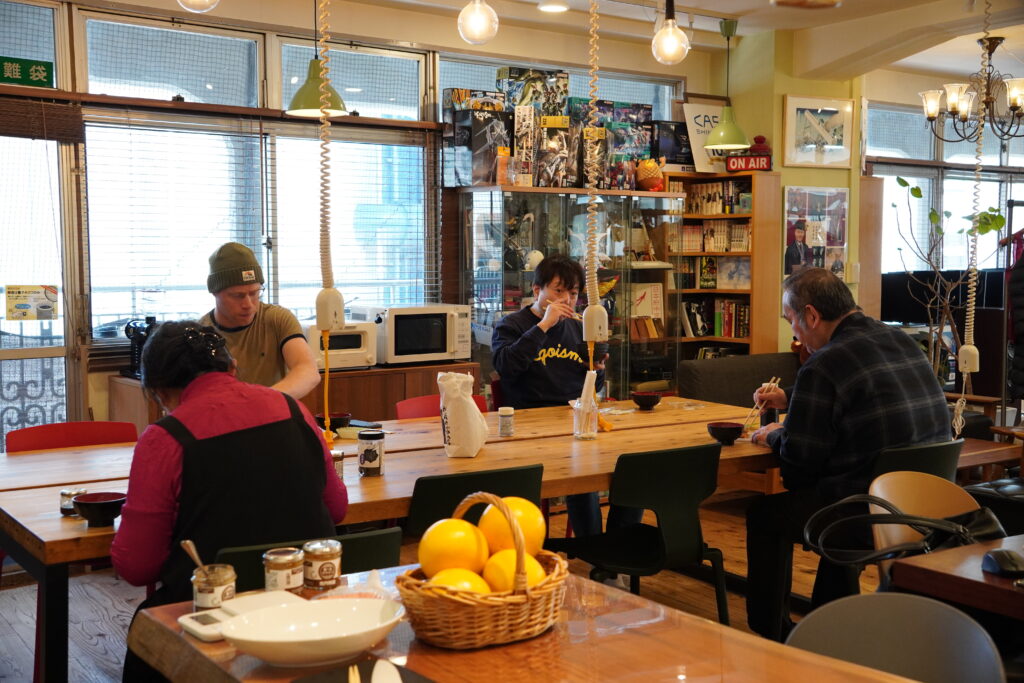
I also love the ‘shoes off’ policy. In Norway, taking your shoes off indoors is also common, so it feels natural and makes me feel at home. I’m often here before the doors open — I usually wait about three minutes outside. (laughs) I enjoy that quiet start to the day.
What do you do in your free time?
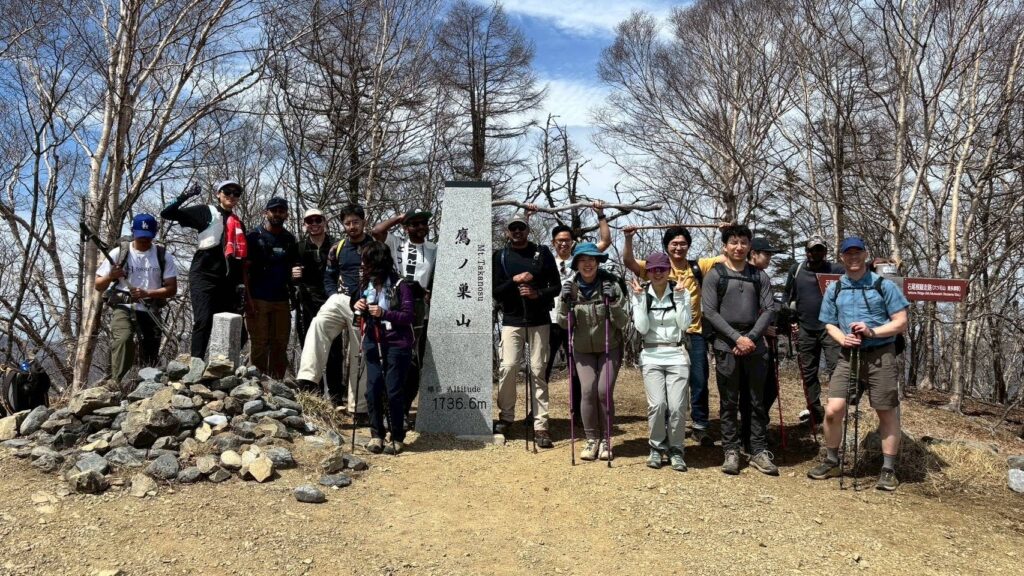
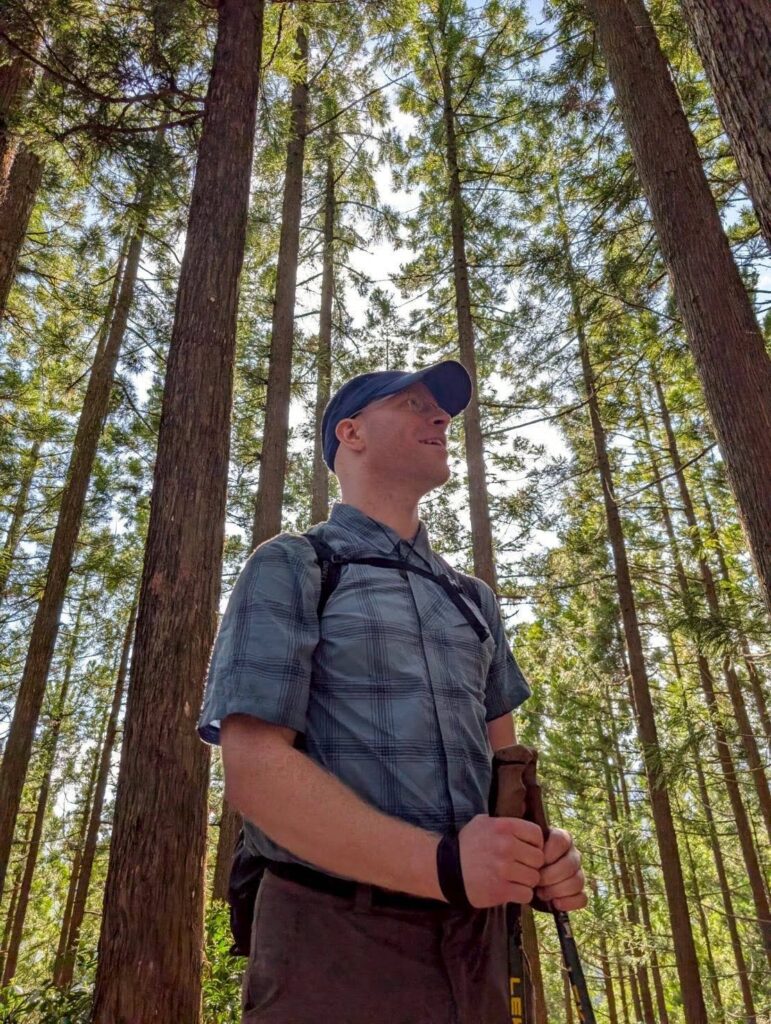
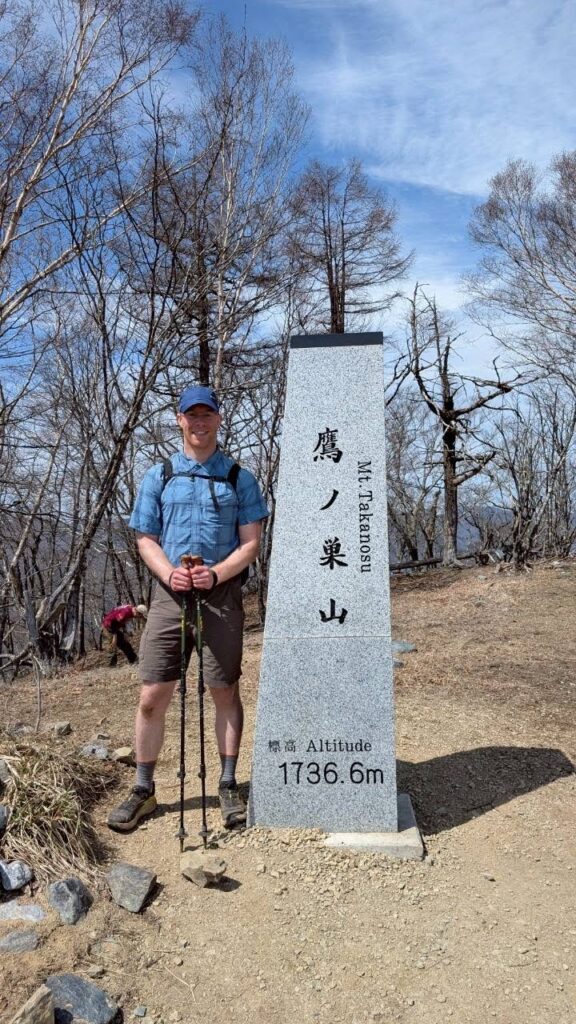
I joined a hiking club! I loved hiking in New Zealand, so I looked for a group here and found one that goes out almost every weekend. I’ve been able to join a few times already — mostly in the Okutama area. I’d love to climb Kumotoriyama, the highest mountain in Tokyo. What I love about hiking here is learning the Japanese names for plants and animals from local members, and understanding the geography — different mountains, mountain huts. It makes me feel connected to the land. The Netherlands is so flat, so mountains feel very special to me. In summer, I’m thinking of trying canyoning in Okutama instead!
Any message for people considering remote work in Tokyo?
Have a great time and embrace the Japanese experience! My personal advice: don’t just follow Instagram or Facebook — that’s where all the tourists go. For the real Japan, wander into a neighborhood with no plan, find somewhere to eat or have coffee, and be brave enough to just walk in. You’ll meet more locals that way too, since they have more time to talk outside of the busy tourist spots. Just go for it!
Mike, thank you so much for sharing your story! It was inspiring to hear how you navigated the Digital Nomad Visa process and rediscovered Japan after 12 years. At CASE Shinjuku, we welcome remote workers from all over the world. If you’re curious, feel free to come in for a tour!